
7 min read
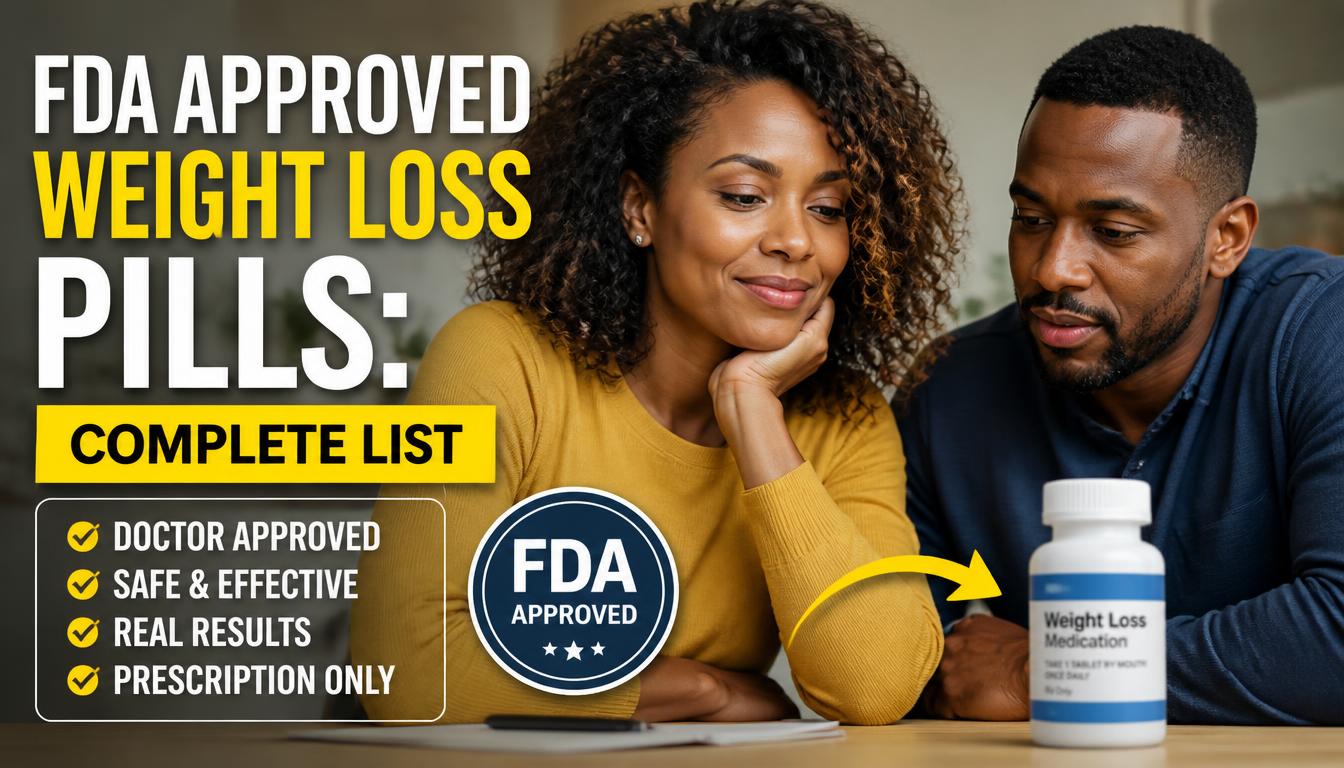
The FDA approved weight loss pills market has expanded significantly, with six medications currently available in the United States. As of 2026, these pharmaceutical options offer clinically validated pathways to weight reduction when lifestyle changes alone prove insufficient. Understanding each option, how it works, its effectiveness, and potential side effects is crucial for making informed decisions with your healthcare provider.
Obesity affects over 42 percent of American adults, and the health consequences are serious. Increased risk of heart disease, type 2 diabetes, certain cancers, and premature death are all associated with excess weight. For many people, FDA-approved medications provide a vital tool when diet and exercise are not enough.
1. Semaglutide (Wegovy): The Game Changer
Approved in 2021, Wegovy works by mimicking GLP-1, a hormone that regulates appetite. Clinical trials showed an average weight loss of 15 to 17 percent of body weight over 68 weeks. It is administered as a weekly injection and has become the most prescribed weight loss medication globally.
The STEP clinical trial program demonstrated consistent results across diverse populations. Patients lost an average of 15 percent of body weight, with some achieving over 20 percent loss. Wegovy also reduced cardiovascular events by 20 percent in the SELECT trial, making it the first weight loss medication to show cardiovascular benefits.
Starting dose is 0.25 mg weekly, gradually increasing to 2.4 mg. Common side effects include nausea affecting 30 to 40 percent of users, diarrhea, and constipation, which typically improve after 8 to 12 weeks.
2. Tirzepatide (Zepbound): Dual Action
FDA-approved in late 2023, Zepbound targets both GLP-1 and GIP receptors. The SURMOUNT-1 trial demonstrated up to 22.5 percent weight loss, the highest of any approved medication. It is reshaping expectations for pharmaceutical weight management.
By activating two incretin receptors simultaneously, tirzepatide achieves superior results to GLP-1-only medications. The SURPASS program showed it also improves blood sugar control, making it particularly valuable for patients with type 2 diabetes.
Dosing starts at 2.5 mg weekly, with increases every 4 weeks to a maximum of 15 mg. Side effects are similar to semaglutide but may be slightly more pronounced due to dual receptor activation.
3. Liraglutide (Saxenda): The Original GLP-1
Available since 2014, Saxenda was the first GLP-1 receptor agonist for weight management. It produces 5 to 8 percent weight loss and requires daily injections, making it less convenient than newer options. However, it has a longer safety track record and is available in generic form.
Saxenda SCALE clinical trials showed consistent 5 to 8 percent weight loss across different populations. It is particularly well-studied in adolescents and has been used by millions of patients worldwide. The daily injection may actually improve adherence for some patients who prefer routine.
4. Orlistat (Xenical/Alli): Fat Blocker
Orlistat blocks about 25 percent of dietary fat absorption. Available by prescription as Xenical and over-the-counter as Alli, it produces modest weight loss of 3 to 5 kg over a year. Its main side effects include oily stools and digestive discomfort.
The unique mechanism of action makes orlistat suitable for patients who want to avoid hormonal effects. It is also one of the few weight loss medications that does not affect the cardiovascular system. The key is maintaining a moderate fat diet with no more than 30 percent of calories from fat to minimize side effects.
5. Phentermine-Topiramate (Qsymia): Appetite Suppressant
This combination medication can produce 8 to 10 percent weight loss. Phentermine is a stimulant that suppresses appetite, while topiramate, an anti-seizure drug, increases feelings of fullness. It is contraindicated in pregnancy due to risk of cleft lip and palate.
Qsymia combines two mechanisms for enhanced effectiveness. The CONQUER trial showed 8 to 10 percent weight loss, with some patients achieving over 10 percent. It is available in graduated doses, allowing personalized titration. The combination approach also reduces the abuse potential of phentermine alone.
6. Naltrexone-Bupropion (Contrave): Brain Chemistry
Contrave targets brain pathways involved in hunger and cravings. It combines an opioid antagonist with an antidepressant, producing 5 to 6 percent weight loss on average. It is particularly useful for patients with emotional eating patterns.
The COR program of clinical trials demonstrated consistent 5 to 6 percent weight loss. Contrave dual mechanism addresses both appetite and reward-based eating, making it valuable for patients who struggle with food cravings and emotional eating. It is also one of the few weight loss medications that can improve mood.
Who Qualifies for FDA-Approved Weight Loss Pills?
- BMI of 30 or higher, known as obese, without weight-related conditions
- BMI of 27 or higher with at least one weight-related condition such as diabetes, hypertension, sleep apnea, or high cholesterol
- Failure of diet and exercise attempts over 3 to 6 months
- No contraindicating medical conditions
Your healthcare provider will evaluate your complete medical history, current medications, and weight loss goals to determine the most appropriate option. Regular follow-up appointments are essential for monitoring progress and adjusting treatment.
Cost and Insurance Coverage
Most GLP-1 medications cost 1000 to 1500 dollars per month without insurance. Some insurance plans now cover these medications for obesity treatment, but coverage varies widely. Manufacturer savings programs can reduce costs to 0 to 25 dollars per month for eligible patients.
As of 2026, Medicare now covers GLP-1 medications for obesity in certain circumstances. Many state Medicaid programs and private insurers are expanding coverage. The Inflation Reduction Act provisions may also affect future pricing.
Safety Considerations
- All FDA-approved medications require medical supervision
- Regular monitoring of blood work may be necessary
- Most are not recommended during pregnancy or breastfeeding
- Side effects range from mild nausea to rare but serious pancreatitis
For comparisons between medications and natural alternatives, read our guide on weight loss medication vs supplements. To learn about GLP-1 specifically, visit our GLP-1 weight loss guide. For a comprehensive look at supplement options, see our top 10 weight loss supplements.
Important: This information is for educational purposes. Always consult with a qualified healthcare provider before starting any weight loss medication.
The Future of Weight Loss Supplements
The supplement industry continues to evolve with new research and formulations. Emerging ingredients like berberine, brown seaweed extract, and saffron extract are showing promise in clinical trials. Personalized supplementation based on genetic testing and gut microbiome analysis may become the norm within the next decade.
Researchers are also exploring synergistic combinations of supplements that work better together than individually. For example, combining green tea extract with caffeine and L-carnitine may produce greater fat loss than any single ingredient alone.
Practical Tips for Supplement Success
- Keep a supplement journal to track what you take, when, and how you feel
- Take photos and measurements monthly, not just weight, as muscle gain can mask fat loss
- Give each supplement at least 8 to 12 weeks before evaluating effectiveness
- Buy from reputable retailers and avoid third-party sellers on auction sites
- Store supplements properly in cool, dry places away from direct sunlight
- Check expiration dates regularly and discard expired products
Building a Sustainable Routine
The most successful approach to weight management combines evidence-based supplements with sustainable lifestyle changes. Focus on building habits you can maintain long-term rather than pursuing quick fixes. Supplements should support your efforts, not replace the foundation of healthy living.
Consider working with a registered dietitian or certified nutritionist who can help you develop a personalized plan that incorporates appropriate supplements alongside dietary and exercise recommendations.
Medically reviewed by the Lifetrusty Medical Review Board, a group of qualified health and medical reviewers, and follows our sourcing standards. Read our Medical Disclaimer.





Pingback: GLP-1 Weight Loss Pills: What You Need To Know In 2026
Pingback: Natural Ozempic Alternatives: GLP-1 Boosters That Work
Pingback: Weight Loss Medication Vs Supplements: Which Is Better?
Pingback: Weight Loss Pills For Women: The Best Options In 2026
Pingback: Weight Loss Pills Safety: Expert Advice For 2026