6 min read
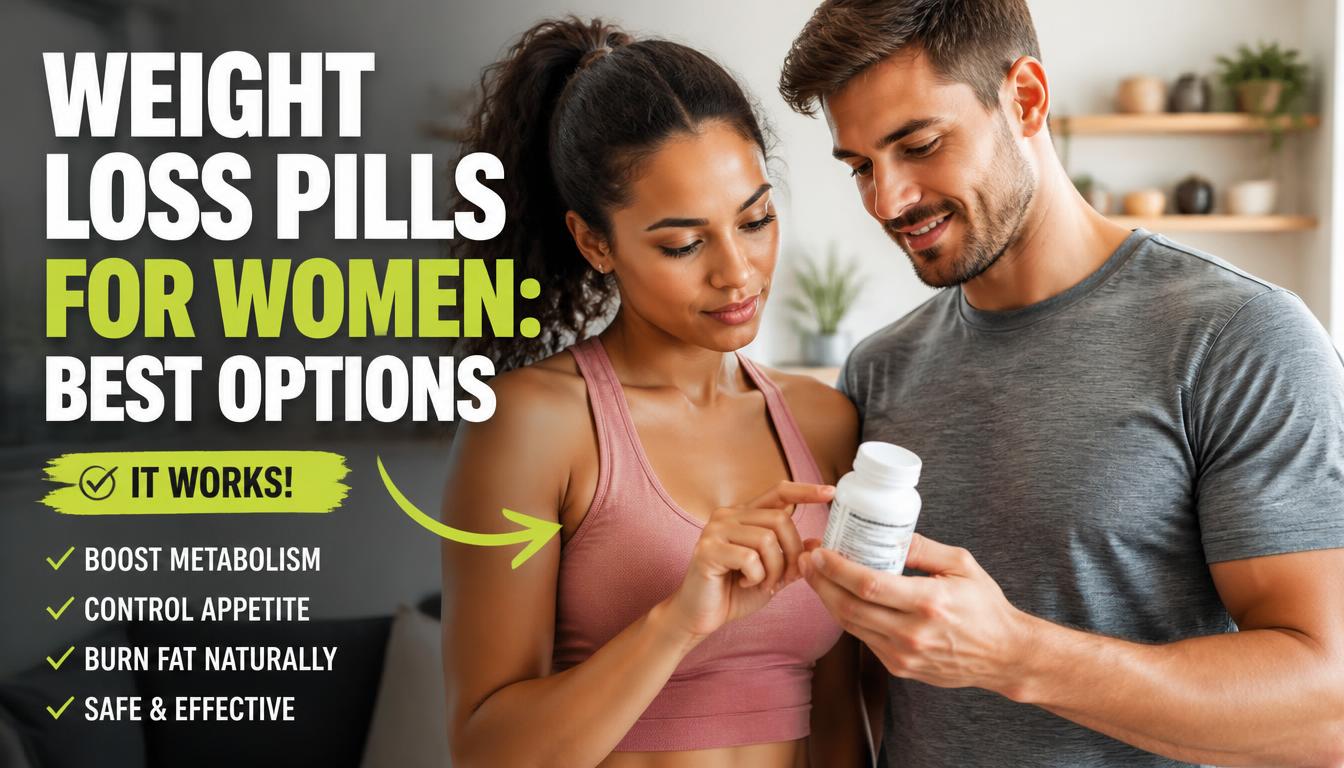
Women bodies respond differently to weight loss interventions than mens, making weight loss pills for women a specialized topic. Hormonal fluctuations, metabolic differences, and unique nutritional needs all influence which products are most effective and safe for women.
Research shows that women may lose weight 30 to 50 percent slower than men on the same diet, and certain supplements affect men and women differently. Understanding these differences is crucial for choosing the right weight loss pills for women.
Why Women Need a Different Approach
Women typically have a higher body fat percentage, lower muscle mass, and hormonal cycles that significantly impact weight loss. The menstrual cycle alone can cause fluctuations of 2 to 5 lbs in water weight, making the scale an unreliable indicator of progress.
Estrogen and progesterone influence fat storage, metabolism, and appetite throughout the month. During the luteal phase, the two weeks before menstruation, metabolic rate increases by 5 to 10 percent, but cravings also intensify. Understanding these patterns helps women time their supplement use for maximum effectiveness.
Best Weight Loss Pills for Women
1. Green Tea Extract
Studies show green tea catechins are particularly effective for women, increasing fat oxidation during exercise by 10 to 17 percent. The EGCG compound also supports thyroid function, which is crucial for women metabolic health. Women are more prone to thyroid issues than men, making green tea extract a valuable choice.
The optimal dose for women is 250 to 500 mg of EGCG daily. Taking it in the morning or before exercise appears to be most effective. Green tea extract also provides antioxidant protection that supports skin health and aging.
2. Iron plus Vitamin C Combination
Iron deficiency affects 29 percent of women of reproductive age and significantly slows metabolism. Pairing iron supplementation with vitamin C increases absorption by up to 67 percent. Correcting iron deficiency alone can boost metabolic rate by 15 to 20 percent.
Before supplementing with iron, get your levels tested. Too much iron is also harmful. If you are deficient, take 18 to 27 mg of iron daily with 200 mg of vitamin C. Take on an empty stomach for best absorption, but if it causes stomach upset, take with a small amount of food.
3. Vitamin D plus Calcium
Low vitamin D levels are linked to weight gain and insulin resistance in women. Supplementation with 2000 to 4000 IU daily, combined with calcium, has been shown to enhance fat loss and prevent the metabolic slowdown associated with calorie restriction.
Up to 42 percent of adults are vitamin D deficient, with higher rates in women, especially those living in northern latitudes. Vitamin D also supports bone health, which is particularly important for women as they age. Take vitamin D with a fatty meal for better absorption.
4. Omega-3 Fatty Acids
Women produce more inflammatory cytokines during weight loss than men. Omega-3s help modulate this inflammatory response, supporting sustained fat loss. EPA is particularly beneficial for women hormonal balance and mood stability.
The recommended dose for women is 1 to 2 grams of combined EPA and DHA daily. Choose a high-quality fish oil or algae-based supplement. Omega-3s also support brain health, skin quality, and joint comfort.
5. Probiotics (Lactobacillus gasseri)
Research specifically in women showed that L. gasseri supplementation reduced belly fat by 4.6 percent over 12 weeks. Gut microbiome composition differs between sexes, making targeted probiotics especially valuable for women.
Women are more prone to digestive issues and yeast infections, making probiotic supplementation particularly beneficial. Look for supplements with multiple Lactobacillus strains and at least 10 billion CFU. Take on an empty stomach, preferably before bed.
6. Glucomannan
This fiber supplement expands in the stomach, promoting fullness. It is particularly useful for women who experience strong hunger signals during calorie restriction. Studies show it reduces calorie intake by 5 to 10 percent per meal.
Take 1 gram of glucomannan 30 minutes before meals with a full glass of water. Do not take it dry, as it can expand in your esophagus. Glucomannan is one of the few supplements with EU health claims for weight management.
7. Collagen Peptides
While primarily known for skin benefits, collagen protein supports muscle preservation during weight loss. Women lose more muscle than men during calorie restriction, making collagen a valuable addition. Collagen also supports joint health, skin elasticity, and gut function.
Take 10 to 15 grams of collagen peptides daily, preferably with vitamin C to enhance collagen synthesis. Collagen can be mixed into coffee, smoothies, or water. Choose hydrolyzed collagen for better absorption.
What Women Should Avoid
- High-dose stimulants that can disrupt menstrual cycles and increase anxiety
- Thermogenic fat burners that often contain doses inappropriate for women smaller body mass
- Unregulated detox teas that can cause electrolyte imbalances and digestive problems
- Extreme low-calorie supplements that may worsen hormonal imbalances
Life Stage Considerations
- Reproductive age: Focus on iron, folate, and hormonal support alongside weight loss
- Perimenopause: Magnesium, B vitamins, and adaptogens become more important for managing hormonal transitions
- Postmenopause: Calcium, vitamin D, and protein supplementation are critical for bone and muscle health
Recommended Daily Protocol
- Green tea extract (500 mg) with breakfast
- Iron supplement (if deficient) with vitamin C on empty stomach
- Vitamin D3 (2000 to 4000 IU) with lunch containing healthy fats
- Fish oil (1 to 2 grams EPA and DHA) with dinner
- Probiotic before bed on empty stomach
For comprehensive guidance on all weight loss options, check our FDA approved weight loss pills list and natural weight loss pills guide. To compare medications with supplements, read our weight loss medication vs supplements comparison.
The Future of Weight Loss Supplements
The supplement industry continues to evolve with new research and formulations. Emerging ingredients like berberine, brown seaweed extract, and saffron extract are showing promise in clinical trials. Personalized supplementation based on genetic testing and gut microbiome analysis may become the norm within the next decade.
Researchers are also exploring synergistic combinations of supplements that work better together than individually. For example, combining green tea extract with caffeine and L-carnitine may produce greater fat loss than any single ingredient alone.
Practical Tips for Supplement Success
- Keep a supplement journal to track what you take, when, and how you feel
- Take photos and measurements monthly, not just weight, as muscle gain can mask fat loss
- Give each supplement at least 8 to 12 weeks before evaluating effectiveness
- Buy from reputable retailers and avoid third-party sellers on auction sites
- Store supplements properly in cool, dry places away from direct sunlight
- Check expiration dates regularly and discard expired products
Building a Sustainable Routine
The most successful approach to weight management combines evidence-based supplements with sustainable lifestyle changes. Focus on building habits you can maintain long-term rather than pursuing quick fixes. Supplements should support your efforts, not replace the foundation of healthy living.
Consider working with a registered dietitian or certified nutritionist who can help you develop a personalized plan that incorporates appropriate supplements alongside dietary and exercise recommendations.
Medically reviewed by the Lifetrusty Medical Review Board, a group of qualified health and medical reviewers, and follows our sourcing standards. Read our Medical Disclaimer.