
6 min read
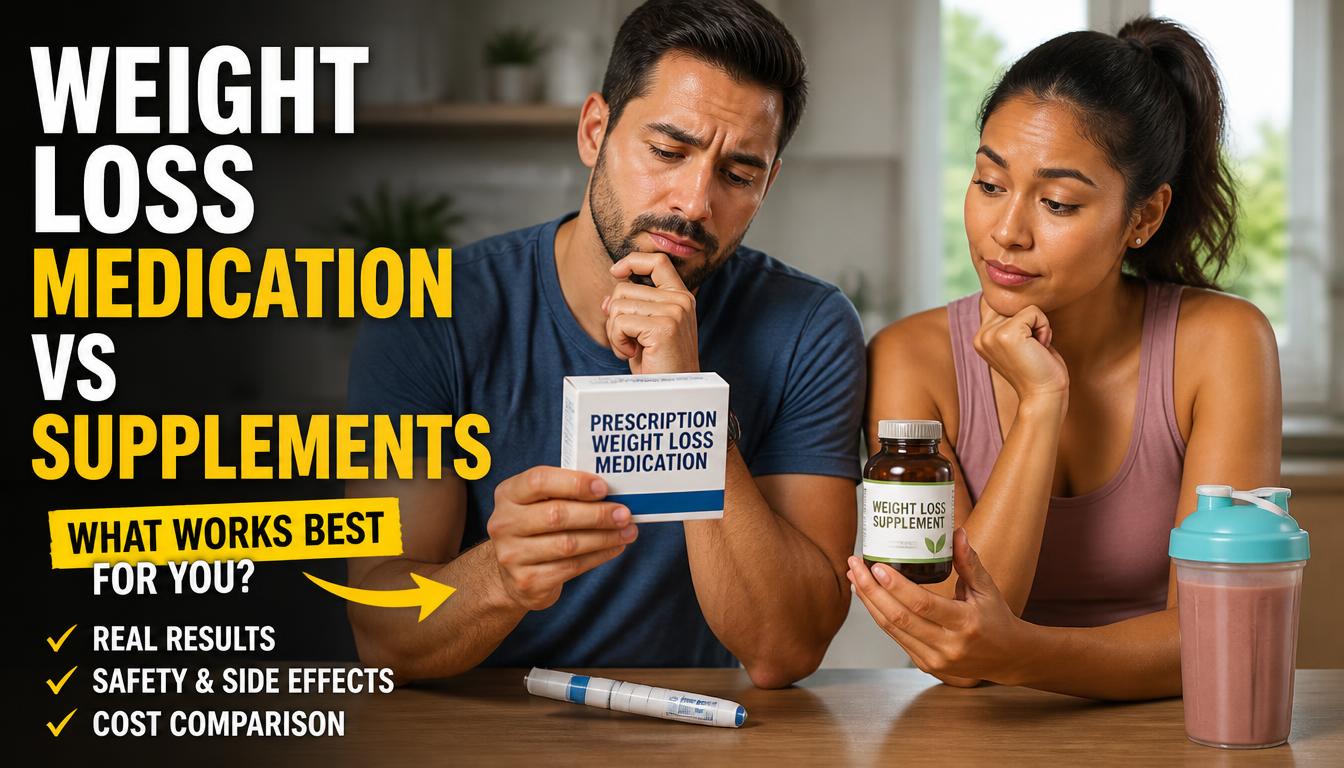
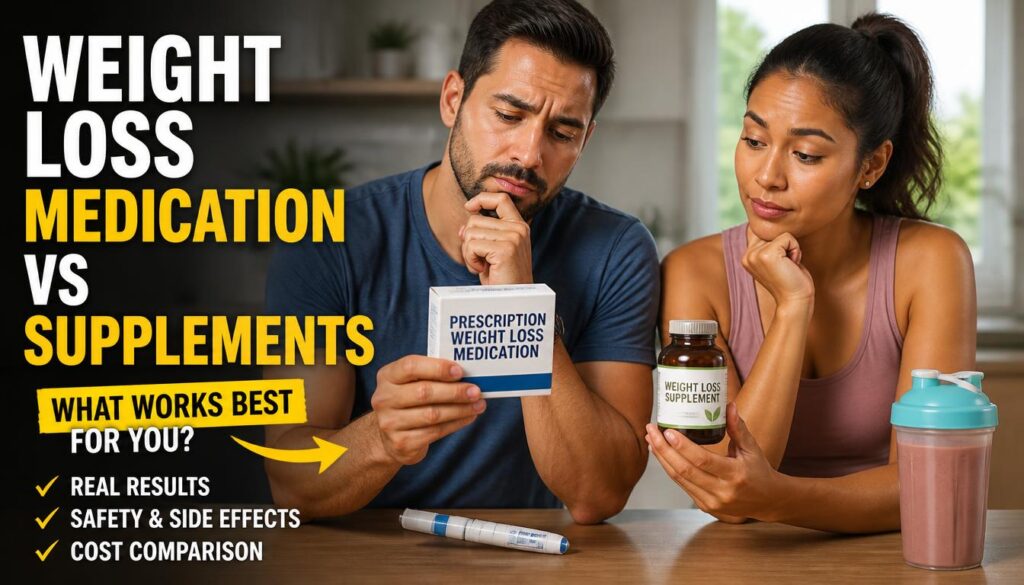
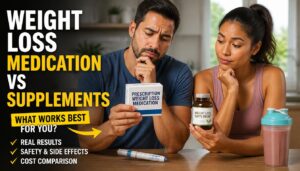
The debate between weight loss medication vs supplements has never been more relevant. With pharmaceutical options like Wegovy and Zepbound reshaping the landscape, and natural supplements continuing to evolve, choosing the right approach requires understanding both sides thoroughly.
Both medications and supplements have their place in weight management. The best choice depends on your specific situation, including your BMI, health conditions, budget, preferences, and goals. This comprehensive comparison will help you make an informed decision.
Effectiveness: The Numbers
Prescription Medications
- GLP-1 agonists like Wegovy and Zepbound: 15 to 22 percent body weight loss over 12 months
- Phentermine-topiramate (Qsymia): 8 to 10 percent body weight loss
- Orlistat (Xenical): 3 to 5 percent body weight loss
- Naltrexone-bupropion (Contrave): 5 to 6 percent body weight loss
These results are based on large clinical trials with thousands of participants. The GLP-1 medications represent a paradigm shift, producing results that approach bariatric surgery for the first time through pharmacotherapy alone.
Over-the-Counter Supplements
- Green tea extract plus caffeine: 1 to 3 percent additional body weight loss
- Glucomannan: 0.8 to 1.5 percent body weight loss
- Protein supplementation: 2 to 4 percent body weight loss when replacing meals
- CLA: 1 to 2 percent body weight loss
While supplement effects are more modest, they can be meaningful when combined with diet and exercise. A 3 percent weight loss can improve blood pressure, blood sugar, and cholesterol levels.
Cost Comparison
- Wegovy and Zepbound: 800 to 1500 dollars per month, often covered by insurance
- Qsymia: 200 to 500 dollars per month
- Orlistat (Xenical): 100 to 300 dollars per month
- Premium supplements: 30 to 80 dollars per month
- Basic supplements: 10 to 30 dollars per month
Cost is a significant factor for many people. While medications are more effective, their high price and the need for ongoing prescriptions can make them less accessible. Supplements offer a more affordable entry point, though results are more modest.
Safety Profile
Medications
Prescription medications undergo rigorous clinical testing and FDA review. Common side effects include nausea, constipation, and diarrhea, especially with GLP-1s. Rare but serious risks include pancreatitis, gallbladder disease, and thyroid concerns. All require medical supervision and regular monitoring.
The safety data for GLP-1 medications is extensive, with millions of patients treated worldwide. Most side effects are gastrointestinal and diminish over time. However, the long-term effects of sustained GLP-1 agonism are still being studied.
Supplements
Supplements have fewer side effects but less rigorous safety data. Quality varies widely between manufacturers. Third-party testing from organizations like NSF and USP significantly improves safety. Most adverse effects are mild digestive issues.
The supplement industry is less regulated than pharmaceuticals, making it essential to choose reputable brands. Look for products with transparent labeling, third-party certifications, and clinical evidence supporting their claims.
Who Should Choose Medication?
- BMI of 35 or higher with significant weight-related health issues
- Those who have tried diet and exercise for 6 or more months without success
- People who need rapid weight loss for medical reasons like pre-surgery or diabetes reversal
- Individuals who can commit to regular medical appointments and monitoring
- Patients with type 2 diabetes who would benefit from GLP-1 medications for both weight and blood sugar control
Who Should Consider Supplements?
- Those with BMI 25 to 30 looking to lose 5 to 15 kg
- People who prefer a gradual, lower-risk approach
- Those supplementing an already-healthy diet and exercise routine
- Individuals without access to or insurance for prescription medications
- People who want to support their weight management efforts alongside lifestyle changes
The Hybrid Approach
Many healthcare providers now recommend combining both strategies. Supplements can complement medication by addressing nutritional gaps, supporting gut health, and enhancing overall metabolic function. For example, protein supplementation helps preserve muscle during GLP-1-induced weight loss.
A comprehensive approach might include a GLP-1 medication for appetite suppression, protein supplementation to preserve muscle, omega-3 fatty acids for inflammation, and probiotics for gut health. This multi-faceted strategy addresses weight management from multiple angles.
Long-Term Considerations
- Medications: Weight typically returns within 1 to 2 years of stopping unless lifestyle changes are maintained. This highlights the importance of using medications as a bridge to sustainable habits.
- Supplements: Effects are modest but can be sustained long-term with consistent use. They are easier to maintain indefinitely.
- Both: Work best when combined with dietary changes and regular physical activity. Neither approach replaces the foundation of healthy living.
Making Your Decision
The right choice depends on your individual circumstances. Consider your BMI, health conditions, budget, lifestyle, and preferences. Discuss options with a healthcare provider who can evaluate your specific situation and recommend the most appropriate approach.
Remember that weight management is a long-term journey. The best approach is one you can sustain over time, whether that is medication, supplements, or a combination of both.
For detailed information on each approach, see our complete guide to FDA-approved weight loss pills and our top 10 weight loss supplements. To learn about natural alternatives, read our guide on natural weight loss pills.
The Future of Weight Loss Supplements
The supplement industry continues to evolve with new research and formulations. Emerging ingredients like berberine, brown seaweed extract, and saffron extract are showing promise in clinical trials. Personalized supplementation based on genetic testing and gut microbiome analysis may become the norm within the next decade.
Researchers are also exploring synergistic combinations of supplements that work better together than individually. For example, combining green tea extract with caffeine and L-carnitine may produce greater fat loss than any single ingredient alone.
Practical Tips for Supplement Success
- Keep a supplement journal to track what you take, when, and how you feel
- Take photos and measurements monthly, not just weight, as muscle gain can mask fat loss
- Give each supplement at least 8 to 12 weeks before evaluating effectiveness
- Buy from reputable retailers and avoid third-party sellers on auction sites
- Store supplements properly in cool, dry places away from direct sunlight
- Check expiration dates regularly and discard expired products
Building a Sustainable Routine
The most successful approach to weight management combines evidence-based supplements with sustainable lifestyle changes. Focus on building habits you can maintain long-term rather than pursuing quick fixes. Supplements should support your efforts, not replace the foundation of healthy living.
Consider working with a registered dietitian or certified nutritionist who can help you develop a personalized plan that incorporates appropriate supplements alongside dietary and exercise recommendations.
Medically reviewed by the Lifetrusty Medical Review Board, a group of qualified health and medical reviewers, and follows our sourcing standards. Read our Medical Disclaimer.





Pingback: FDA-Approved Weight Loss Pills: The Complete List For 2026
Pingback: Natural Weight Loss Pills: Do They Actually Work?
Pingback: Weight Loss Pills Safety: Expert Advice For 2026
Pingback: Weight Loss Pills Side Effects: What You Must Know