
7 min read
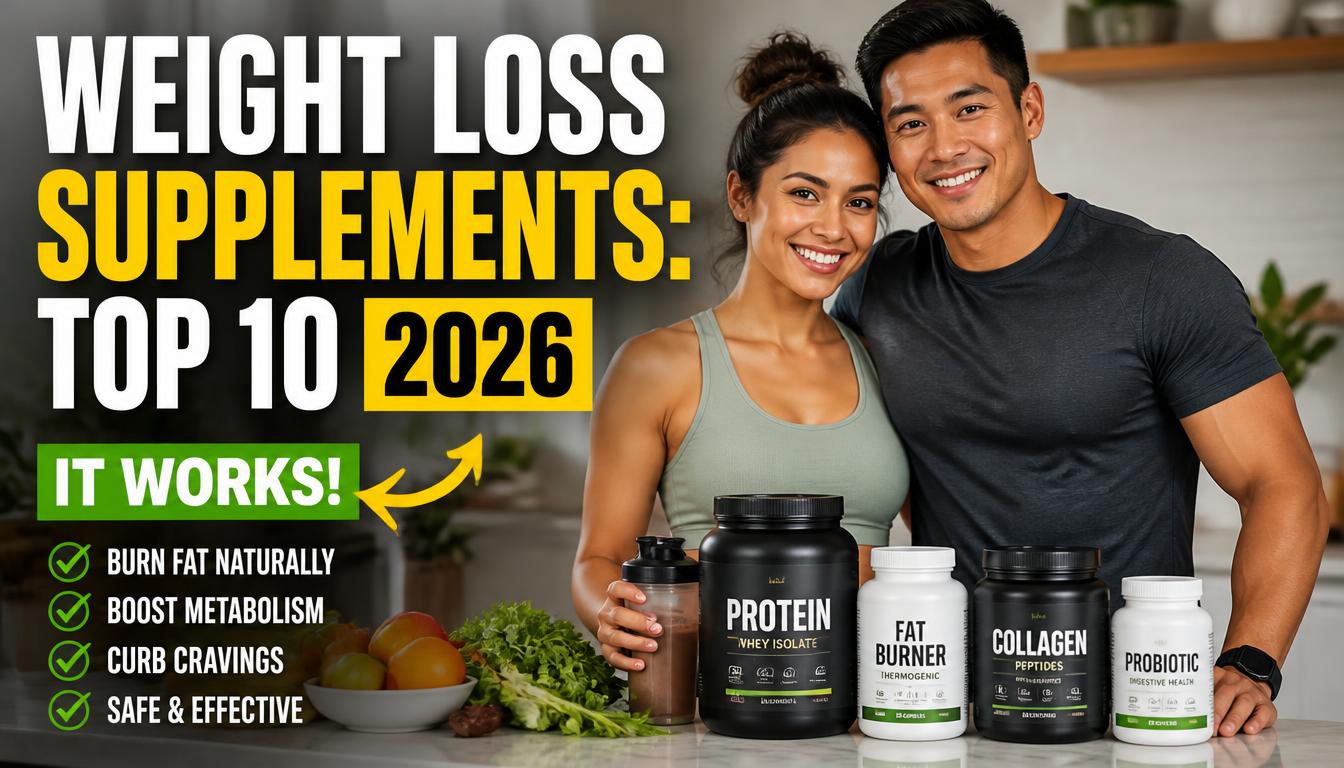
Finding the best weight loss supplements in a market flooded with over 50,000 products can feel overwhelming. Studies show that nearly 15% of American adults have used a dietary supplement for weight loss, yet only a fraction deliver on their promises. The global weight loss supplement market is expected to reach $33 billion by 2028, which means more options than ever and more confusion about what actually works.
After analyzing clinical research, expert reviews, and real user outcomes, we have compiled this evidence-based ranking to help you make an informed decision. Whether you are just starting your weight loss journey or looking to break through a plateau, these supplements have the science to back them up.
1. Green Tea Extract: The Metabolism Booster
Green tea extract contains catechins and caffeine, which studies show can increase metabolic rate by 3 to 8 percent. A 2024 meta-analysis published in the International Journal of Obesity found that participants lost an average of 2.9 kg more than placebo groups over 12 weeks. The active compound EGCG works by inhibiting an enzyme that breaks down norepinephrine, keeping your metabolism elevated longer.
For best results, look for standardized extracts containing at least 50 percent EGCG. Take 250 to 500 mg daily, ideally 30 minutes before exercise. Green tea extract also provides powerful antioxidant protection, supporting overall health beyond weight management.
2. Protein Powder: Appetite Control
Whey and casein proteins are among the most studied supplements for weight management. Increasing protein intake to 25 to 30 percent of total calories has been shown to reduce appetite by up to 60 percent. A 2023 study in The American Journal of Clinical Nutrition found that participants who replaced two meals with protein shakes lost 5.2 kg more than those on standard diets over 12 weeks.
Protein has the highest thermic effect of any macronutrient. Your body burns 20 to 30 percent of protein calories just through digestion. Whey protein is particularly effective because it is rapidly absorbed and rich in leucine, which preserves lean muscle mass during calorie restriction.
3. Fiber Supplements: Gut Health Support
Glucomannan and psyllium husk expand in the stomach, promoting feelings of fullness. Research shows soluble fiber can reduce calorie intake by 10 to 15 percent per meal. A systematic review of 44 trials found that fiber supplementation produced an average weight loss of 1.5 kg over 12 weeks.
The gut microbiome plays a crucial role in weight management. Fiber feeds beneficial bacteria that produce short-chain fatty acids, which regulate appetite hormones and improve insulin sensitivity. Aim for 25 to 35 grams of fiber daily, starting slowly to avoid digestive discomfort.
4. Conjugated Linoleic Acid (CLA)
CLA, found naturally in grass-fed dairy, has shown modest but consistent fat loss effects. A 12-week trial demonstrated a 3.7 percent reduction in body fat percentage. CLA works by inhibiting lipoprotein lipase, an enzyme that stores fat in cells. It also increases fatty acid oxidation in muscle tissue.
Research suggests 3 to 4 grams daily is optimal for fat loss. Choose supplements derived from safflower oil for the most active CLA isomers. While effects are modest, CLA has the added benefit of preserving lean muscle during weight loss.
5. Chromium Picolinate: Blood Sugar Support
Chromium helps regulate insulin sensitivity, which directly impacts fat storage. Studies suggest it can reduce body weight by 0.5 to 1 kg over 8 to 16 weeks. A meta-analysis of 10 studies found chromium supplementation reduced body weight and increased lean body mass.
Chromium picolinate enhances insulin action, helping shuttle nutrients into cells rather than storing them as fat. It is particularly beneficial for people with insulin resistance or type 2 diabetes. The typical dose is 200 to 1000 mcg daily.
6. Caffeine: Energy and Fat Oxidation
As one of the most widely used stimulants, caffeine increases fat oxidation by 10 to 29 percent during exercise. However, tolerance develops quickly, so cycling is recommended. A study in the Journal of the International Society of Sports Nutrition found caffeine enhanced exercise performance and increased metabolic rate by 3 to 11 percent.
For weight loss, 200 to 400 mg daily appears optimal. Timing matters. Taking caffeine 30 to 60 minutes before exercise maximizes fat burning. Consider cycling on and off every 2 to 3 weeks to prevent tolerance.
7. Garcinia Cambogia: Hunger Reduction
The hydroxycitric acid in Garcinia cambogia may inhibit an enzyme involved in fat production. Clinical trials show a 2 to 3 kg weight loss advantage over placebo. HCA also appears to increase serotonin levels, which may reduce emotional eating and cravings.
Look for supplements containing at least 50 percent HCA. The typical dose is 500 to 1500 mg taken 30 to 60 minutes before meals. While results vary, Garcinia cambogia is generally well-tolerated and may be particularly useful for people who struggle with stress eating.
8. Apple Cider Vinegar: Metabolic Support
ACV has been shown to improve insulin sensitivity after meals and reduce appetite. One study found participants consumed 200 to 275 fewer calories daily. The acetic acid in ACV appears to activate AMPK, an enzyme that burns fat and increases fat burning.
Start with 1 tablespoon diluted in water before meals and gradually increase to 2 tablespoons. Never drink ACV straight as it can damage tooth enamel and irritate the esophagus. Look for raw, unfiltered ACV with the mother for maximum benefits.
9. Omega-3 Fatty Acids: Inflammation Control
Chronic inflammation is linked to weight gain and metabolic dysfunction. Omega-3s from fish oil can reduce inflammatory markers by 20 to 30 percent. A 2024 study found that omega-3 supplementation combined with exercise produced significantly greater fat loss than exercise alone.
EPA and DHA are the most active forms. Look for supplements with at least 2 to 1 ratio of EPA to DHA. The typical dose is 2 to 3 grams combined EPA and DHA daily. Omega-3s also support heart health, brain function, and joint comfort.
10. Probiotics: Gut Microbiome Balance
Emerging research links gut bacteria composition to weight management. Lactobacillus gasseri supplementation showed a 3.8 percent reduction in belly fat over 12 weeks. Other strains like L. rhamnosus and B. lactis have shown promise in clinical trials.
The gut-brain axis influences hunger, cravings, and metabolism. Probiotics support a diverse microbiome, which improves nutrient absorption, reduces inflammation, and regulates appetite hormones. Look for supplements with multiple strains and at least 10 billion CFU.
How to Choose the Right Supplement
- Look for third-party tested products certified by NSF, USP, or ConsumerLab
- Check for transparent ingredient labels without proprietary blends
- Start with one supplement at a time to assess tolerance
- Consult a healthcare provider if you have existing conditions
- Research the company reputation and manufacturing standards
What to Avoid
- Products with proprietary blends that hide exact dosages
- Pills promising to lose 30 lbs in 30 days because no supplement works that fast
- Unregulated ingredients like DMAA or ephedra
- Products sold exclusively through multi-level marketing schemes
- Supplements with excessive caffeine content or stimulant blends
The Bottom Line
No supplement replaces a balanced diet and regular exercise. The best weight loss supplements work synergistically with healthy lifestyle habits. Start with evidence-based options like green tea extract or protein supplementation, track your progress for at least 8 to 12 weeks, and adjust based on your body response.
Remember that individual responses vary. What works brilliantly for one person may not work for another. Keep a journal, track your measurements and not just the scale, and consult with healthcare professionals for personalized recommendations.
For a deeper dive into specific supplement categories, check our guides on natural weight loss pills and weight loss medication vs supplements. You can also explore our comprehensive guide on FDA approved weight loss pills for pharmaceutical options.
Medically reviewed by the Lifetrusty Medical Review Board, a group of qualified health and medical reviewers, and follows our sourcing standards. Read our Medical Disclaimer.



Pingback: Weight Loss Medication Vs Supplements: Which Is Better?